





























Arthroscopy
Arthroscopy Procedure: Medical Overview and Steps
Arthroscopy is a minimally invasive surgical procedure that allows a surgeon to visualize, diagnose, and treat various joint-related conditions using a specialized instrument called an arthroscope. This thin, flexible tube has a camera attached to it, which provides real-time images of the joint’s interior on a monitor. Arthroscopy is commonly used to examine and treat joint problems in the knee, shoulder, hip, wrist, ankle, and other joints.
Procedure Steps:
Preoperative Assessment: Before surgery, the patient undergoes a comprehensive evaluation, including a review of medical history, physical examination, and possibly imaging studies (X-rays, MRI, CT scans) to diagnose the joint issue and plan the arthroscopic procedure.
Informed Consent: The patient is provided with detailed information about the procedure, potential risks, benefits, and alternative treatments. Informed consent is obtained, ensuring the patient’s understanding and agreement.
Anesthesia: The patient is usually placed under regional anesthesia (nerve block) or general anesthesia to ensure their comfort during the procedure.
Surgical Approach: Small incisions (portals) are made near the joint to insert the arthroscope and other surgical instruments. Typically, two to four portals are used, depending on the joint being treated.
Visualization and Diagnosis: The arthroscope is inserted through one of the portals, and the joint’s interior is illuminated and magnified by the camera. The surgeon evaluates the structures within the joint, such as cartilage, ligaments, tendons, and bones, to diagnose any issues.
Treatment or Repair: Based on the diagnostic findings, the surgeon can perform various procedures using specialized instruments inserted through the other portals. Common arthroscopic procedures include removing damaged tissue (debridement), repairing torn ligaments or tendons, removing loose bodies, and smoothing damaged cartilage.
Closure and Recovery: After the procedure, the incisions are usually closed with sutures or adhesive strips. The patient is closely monitored as they wake up from anesthesia.
Postoperative Care and Rehabilitation: The recovery process varies depending on the joint and the procedure performed. Physical therapy is often recommended to promote healing, regain strength, and restore function. Patients are given instructions on wound care, pain management, and activity restrictions during recovery.
References:
American Academy of Orthopaedic Surgeons. (2021). Arthroscopy. Retrieved from https://orthoinfo.aaos.org/en/treatment/arthroscopy
Mayo Clinic. (2021). Arthroscopy. Retrieved from https://www.mayoclinic.org/tests-procedures/arthroscopy/about/pac-20392974
Cleveland Clinic. (2021). Arthroscopy. Retrieved from https://my.clevelandclinic.org/health/treatments/17933-arthroscopy
American Association of Orthopaedic Surgeons. (2021). Diagnostic and Operative Arthroscopy. Retrieved from https://www.orthopaedicsone.com/display/Main/Indications+for+Diagnostic+and+Operative+Arthroscopy
Journal of Bone and Joint Surgery. (2019). Practice Management Guidelines for Arthroscopy. Retrieved from https://journals.lww.com/jbjsjournal/fulltext/2019/09000/practice_management_guidelines_for_arthroscopy.23.aspx
Please note that the specifics of arthroscopy procedures may vary based on the joint being treated and the surgeon’s approach. Always consult with qualified orthopedic surgeons and healthcare professionals for personalized advice and information regarding arthroscopy procedures.
Below is some Orthopaedic Surgeons that can assit with Arthroscopy Surgery
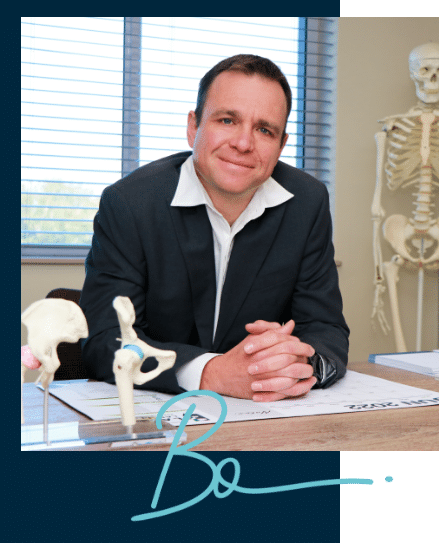
Dr Beyers Oosthuizen
Orthopaedic Surgeon
- Phone:+27 (0)12 652 9431
- Email:[email protected]
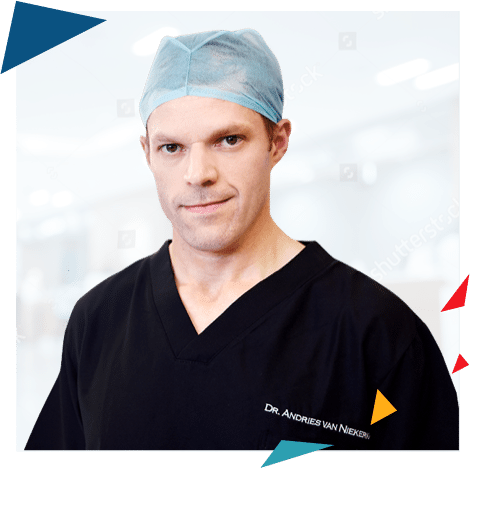
Dr Andries van Niekerk
Orthopaedic Surgeon
- Phone:012 664 2014
- Email:[email protected]
Dr Shaun de Villiers
Orthopaedic Specialist
- Phone:043 422 0469
- Email:[email protected]

Dr. P.H Laubscher
Specialist Orthopaedic Shoulder Surgeon
- Phone:(+27) 11 788-5110
- Email:[email protected]
Dr Gabriel Pirjol
Orthopaedic Surgeon
- Phone:+27 31 202 5463
- Email:[email protected]
Dr. S.K Mafeelane
Specialist Orthopaedic Surgeon
- Phone:+27 15 880 1769
- Email:[email protected]

Dr. Peter Smith
Orthopaedic Surgeon
- Phone:+27 (0)21 552 2975
- Email:[email protected]
Dr Jan de Vos
Orthopaedic Surgeon
- Phone:012 807 0335
- Email:[email protected]
Medical Aids that cover Arthroscopy medical procedure
| 🔎 Provider | ▶️ Covers Arthroscopy | ⏩ Top Plan Covering Arthroscopy |
| 🥇 Bestmed | ✅ Yes | Beat 4 |
| 🥈 Bonitas | ✅ Yes | Standard |
| 🥉 Cape Medical | ✅ Yes | HealthPact Select |
| 🏅 CompCare | ✅ Yes | SYMMETRY |
| 🎖️ Discovery Health | ✅ Yes | Discovery Health Classic Delta Core |
| 🏆 FedHealth | ✅ Yes | FlexiFED 4 |
| 🥇 Genesis | ✅ Yes | Med 200 PLUS |
| 🥈 Sizwe Hosmed | ✅ Yes | Platinum Enhanced |
| 🥉 KeyHealth | ✅ Yes | Gold |
| 🏅 Makoti Medical | ✅ Yes | Comprehensive Option |
| 🎖️ Medihelp | ✅ Yes | MedElite |
| 🏆 Medimed | ✅ Yes | Alpha |
| 🥇 MedShield | ✅ Yes | PremiumPlus |
| 🥈 Momentum | ✅ Yes | Extender |
| 🥉 Suremed | ✅ Yes | Shuttle |
| 🏅 Thebemed | ✅ Yes | Fantasy |