





























Aortic valve replacement
Aortic Valve Replacement Procedure: Medical Overview and Steps
Aortic valve replacement is a surgical procedure performed to replace a damaged or diseased aortic valve with a prosthetic valve. The aortic valve is responsible for controlling blood flow from the heart’s left ventricle into the aorta. This procedure is commonly indicated for severe aortic valve stenosis (narrowing) or regurgitation (leakage), conditions that can lead to heart failure and other complications.
Procedure Steps:
Preoperative Assessment: Before surgery, the patient undergoes a comprehensive evaluation, including a review of medical history, physical examination, echocardiography, and other diagnostic tests to assess the severity of the valve dysfunction and overall heart health.
Informed Consent: The patient is provided with detailed information about the procedure, potential risks, benefits, and alternative treatments. Informed consent is obtained, ensuring the patient’s understanding and agreement.
Anesthesia: The patient is placed under general anesthesia to ensure their comfort during the procedure.
Surgical Approach: Two main approaches are commonly used:
- Traditional Open-heart Surgery: A larger incision is made in the chest, and the heart is temporarily stopped while a heart-lung machine maintains circulation. The damaged valve is removed, and the prosthetic valve is sewn in place.
- Minimally Invasive Surgery: Smaller incisions are made, and specialized instruments and techniques are used to access the heart. In some cases, a minimally invasive approach may be performed without stopping the heart.
Valve Removal and Replacement: The diseased aortic valve is carefully removed, and the chosen prosthetic valve is sewn into place. Prosthetic valves can be mechanical (made of metal) or biological (from human or animal tissue). The surgeon ensures proper positioning and secure attachment of the new valve.
Closure and Recovery: Once the new valve is securely in place, the incisions are closed using sutures or staples. The heart is gradually restarted if it was stopped during the procedure. The patient is closely monitored as they wake up from anesthesia.
Postoperative Care: After surgery, the patient is monitored in the intensive care unit (ICU) or a specialized recovery area. Medications, pain management, and monitoring for complications are essential during this period.
Rehabilitation and Follow-up: As the patient recovers, physical therapy and cardiac rehabilitation may be recommended to regain strength and function. Regular follow-up appointments with the healthcare team are scheduled to assess the healing process and ensure the new valve is functioning properly.
References:
American Heart Association. (2021). Aortic Valve Replacement. Retrieved from https://www.heart.org/en/health-topics/heart-valve-problems-and-disease/treatment-for-heart-valve-disease/aortic-valve-replacement
Mayo Clinic. (2021). Aortic Valve Surgery. Retrieved from https://www.mayoclinic.org/tests-procedures/aortic-valve-surgery/about/pac-20384929
Cleveland Clinic. (2021). Aortic Valve Replacement Surgery. Retrieved from https://my.clevelandclinic.org/health/treatments/18032-aortic-valve-replacement-surgery
American College of Cardiology. (2021). Aortic Valve Disease. Retrieved from https://www.cardiosmart.org/Heart-Conditions/Aortic-Valve-Disease
Society of Thoracic Surgeons. (2021). Aortic Valve Replacement. Retrieved from https://ctsurgerypatients.org/aortic-valve-replacement
Please note that the specifics of aortic valve replacement procedures may vary based on individual patient factors and the surgeon’s approach. Always consult with qualified cardiac surgeons and healthcare professionals for personalized advice and information regarding aortic valve replacement procedures.
Below is some Cardiologists that can assist with Aortic Valve Replacement
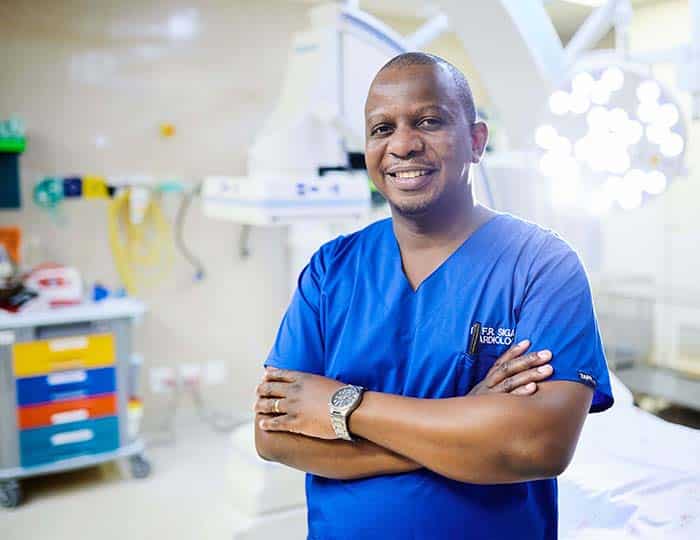
Dr Farai Russell Sigauke
Cardiologist
- Phone:021 110 5147
- Email:Website form

Dr Lehlohonolo Dongo
SPECIALIST CARDIOTHORACIC SURGEON
- Phone:011 458 2103
- Email:[email protected]
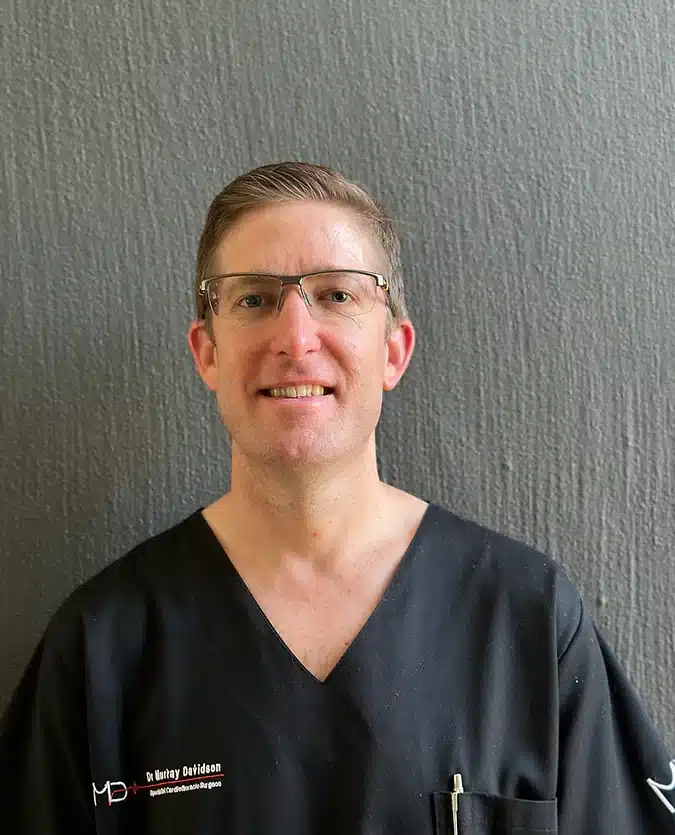
Dr. Murray Davidso
Specialize in Cardiothoracic Surgery
- Phone:+27 011 420 1065
- Email:[email protected]

Dr Rentia Fourie
CARDIOTHORACIC SURGEON
- Phone:016 130 4144
- Email:[email protected]
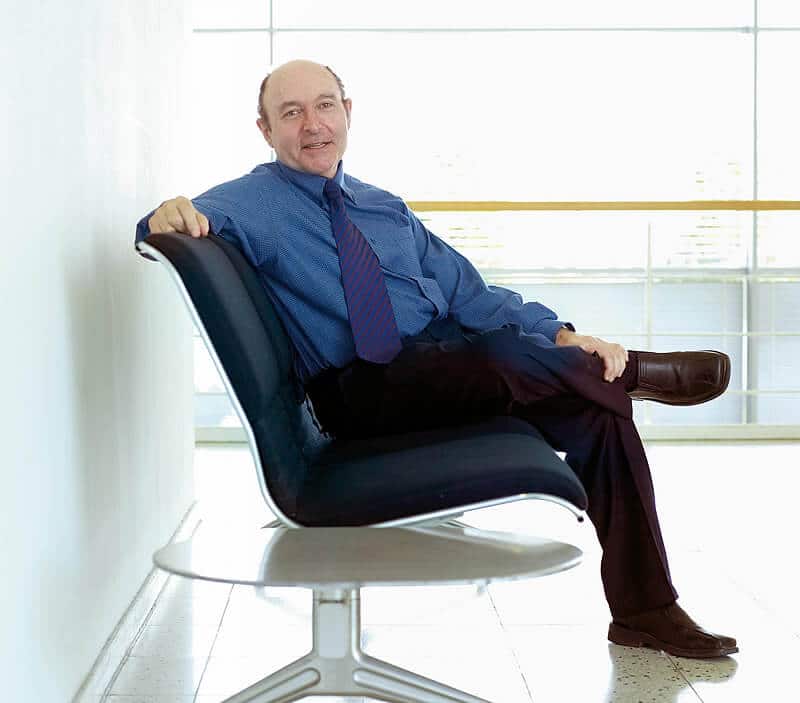
Dr. John Benjamin
Cardiologist
- Phone:(011) 883-3460
- Email:[email protected]
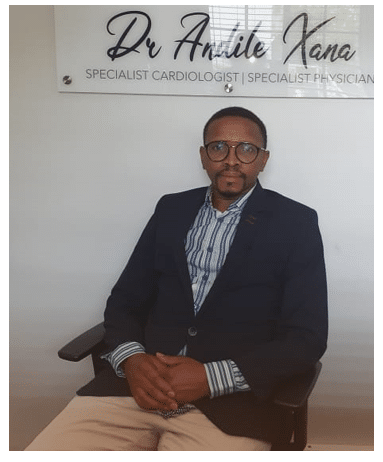
Dr Andile Xana
Cardiologist
- Phone:+27 12 941 1820
- Email:[email protected]

Dr Deseta
Specialist Physician-Cardiologist
- Phone:011 482 3315/6
- Email:[email protected]

Dr Don Zachariah
SPECIALIST PHYSICIAN & CARDIOLOGIST
- Phone:+27 (0)18 880 0104
- Email:[email protected]
Medical Aids that cover Aortic Valve Replacement Procedure
| 🔎 Provider | ▶️ Covers Aortic valve replacement | ⏩ Top Plan Covering Aortic valve replacement |
|---|---|---|
| 🥇 Bestmed | ✅ Yes | Rhytm 2 |
| 🥈 Bonitas | ✅ Yes | BonClassic |
| 🥉 Cape Medical | ✅ Yes | HealthPact Select |
| 🏅 CompCare | ✅ Yes | DYNAMIX |
| 🎖️ Discovery Health | ✅ Yes | Discovery Health Essential Priority |
| 🏆 FedHealth | ✅ Yes | Maxima EXEC |
| 🥇 Genesis | ✅ Yes | Med 200 PLUS |
| 🥈 Sizwe Hosmed | ✅ Yes | Platinum Enhanced |
| 🥉 KeyHealth | ✅ Yes | Gold |
| 🏅 Makoti Medical | ✅ Yes | Comprehensive Option |
| 🎖️ Medihelp | ✅ Yes | MedElite |
| 🏆 Medimed | ✅ Yes | Alpha |
| 🥇 MedShield | ✅ Yes | PremiumPlus |
| 🥈 Momentum | ✅ Yes | Extender |
| 🥉 Suremed | ✅ Yes | Challenger |
| 🏅 Thebemed | ✅ Yes | Universal |