































Abdominal Surgery for Crohn's Disease
Abdominal Surgery for Crohn’s Disease: Procedure and Overview
Abdominal surgery is sometimes necessary for patients with Crohn’s disease when medical treatments and other interventions fail to effectively manage their symptoms or complications. Crohn’s disease is a chronic inflammatory condition that primarily affects the gastrointestinal tract, leading to symptoms such as abdominal pain, diarrhea, and weight loss. Surgical intervention may be considered when medications and lifestyle changes are insufficient to control the disease or when complications arise, such as strictures, fistulas, or abscesses.
Procedure:
Preoperative Evaluation: Before the surgery, the patient undergoes thorough evaluation, including a review of their medical history, physical examination, laboratory tests, imaging studies (such as MRI, CT scans, or endoscopy), and discussions about the benefits and risks of surgery. The decision to proceed with surgery is made based on the patient’s condition, the severity of their Crohn’s disease, and the potential benefits of surgical intervention.
Anesthesia: The patient is placed under general anesthesia, ensuring they are in a deep sleep-like state and feel no pain during the procedure.
Incision: An incision is made in the abdominal wall to access the affected area of the gastrointestinal tract. The size and location of the incision depend on the specific site of the disease and the extent of the surgical intervention.
Disease Assessment and Resection: The surgeon evaluates the affected area of the intestine, looking for areas of inflammation, strictures (narrowing), fistulas (abnormal connections between organs), and other complications. If feasible, the surgeon may perform a resection, which involves removing the diseased segment of the intestine and reconnecting the healthy ends. This is often done to relieve obstructions, remove severely inflamed portions, or manage complications.
Fistula Closure: If there are fistulas present (abnormal connections between the intestine and other organs), the surgeon may close them or redirect the flow of fluids to promote healing and prevent further complications.
Abscess Drainage: If there are abscesses (infected fluid collections) present, the surgeon may drain them to relieve infection and prevent their spread.
Stoma Creation (if necessary): In some cases, especially if extensive resection is needed or there are complications, the surgeon may create a stoma. A stoma is an opening on the abdominal wall through which waste can pass, and it can be temporary or permanent. It’s often created when the rectum or lower part of the intestine needs time to heal before reconnection.
Closure: After the necessary procedures are completed, the surgeon closes the incision using stitches, sutures, or staples, depending on the surgeon’s preference and the patient’s condition.
References:
Baumgart, D. C., & Sandborn, W. J. (2012). Crohn’s disease. The Lancet, 380(9853), 1590-1605.
Feuerstein, J. D., & Cheifetz, A. S. (2017). Crohn’s disease: Epidemiology, diagnosis and management. Mayo Clinic Proceedings, 92(7), 1088-1103.
Fazio, V. W., Ziv, Y., Church, J. M., Oakley, J. R., Lavery, I. C., Milsom, J. W., … & Reissman, P. (1996). Ileal pouch-anal anastomoses complications and function in 1005 patients. Annals of Surgery, 224(6), 662-669.
Please note that specific surgical procedures and techniques may vary based on individual patient factors and advancements in medical practice. Always consult with a qualified healthcare provider for the most current and accurate information.
Below are well respected Gastroenterologist that can assist with an Abdominal Surgery for Crohn’s Disease

Dr. Gert du Toit
Advanced Laparoscopic Gastrointestinal surgery and Bariatric surgery
- Phone:031 201 3070
- Email:[email protected]

Dr Ivor C. Funnell
Specialist Surgeon & Gastroenterologist
- Phone:031 582 5245
- Email:[email protected]

Dr David Hatchuel
Surgery · Oncology · Gastroenterology
- Phone:083 462 2764
- Email:[email protected]

Dr Peter Taylor
SURGICAL GASTROENTEROLOGIST
- Phone:011 356 6425
- Email:[email protected]

Dr. Bruce Kavin
General Surgeon with main interests of Colorectal and Gastrointestinal Surgery
- Phone:021 423 8346
- Email:[email protected]
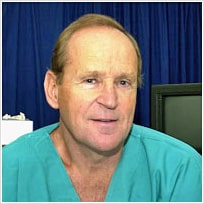
Dr. Michael Scott Elliot
Specialist Surgical Gastroenterologist
- Phone:021 6837003
- Email:[email protected]

Dr Schneider
Gastroenterologist in Johannesburg
- Phone:011 482-3010
- Email:[email protected]

Dr Naseem Motala
Gastroenterologist and Specialist Physician in Internal Medicine
- Phone:011 640 7355 / 011 647 3445
- Email:[email protected]
Medical Aid that covers Abdominal Surgery for Crohn's Disease
| 🔎 Provider | ▶️ Covers Abdominal Surgery | ⏩ Top Plan Covering Abdominal Surgery |
| 🥇 Bestmed | ✅ Yes | Pace 4 |
| 🥈 Bonitas | ✅ Yes | BonClassic |
| 🥉 Cape Medical | ✅ Yes | HealthPact Select |
| 🏅 CompCare | ✅ Yes | DYNAMIX |
| 🎖️ Discovery Health | ✅ Yes | Discovery Health Classic Comprehensive |
| 🏆 FedHealth | ✅ Yes | FlexiFED 2 |
| 🥇 Genesis | ✅ Yes | Med 200 PLUS |
| 🥈 Sizwe Hosmed | ✅ Yes | Titanium Executive |
| 🥉 KeyHealth | ✅ Yes | Gold |
| 🏅 Makoti Medical | ✅ Yes | Comprehensive Option |
| 🎖️ Medihelp | ✅ Yes | MedElite |
| 🏆 Medimed | ✅ Yes | Alpha |
| 🥇 MedShield | ✅ Yes | PremiumPlus |
| 🥈 Momentum | ✅ Yes | Incentive |
| 🥉 Suremed | ✅ Yes | Challenger |
| 🏅 Thebemed | ✅ Yes | Fantasy |